
Property Management in Morocco: The Complete Guide
Last updated
Everything a syndic (property manager) needs to know to effectively manage a co-ownership in Morocco in 2026, whether you're a volunteer or a professional.
Property management in Morocco (co-ownership management) is governed by Law 18-00 and Decree 2.23.700. It covers holding general assemblies, collecting charges, maintaining compliant accounting records, and upkeep of common areas. The syndic (property manager), whether volunteer or professional, is the legal representative appointed by the general assembly.
What is co-ownership management?
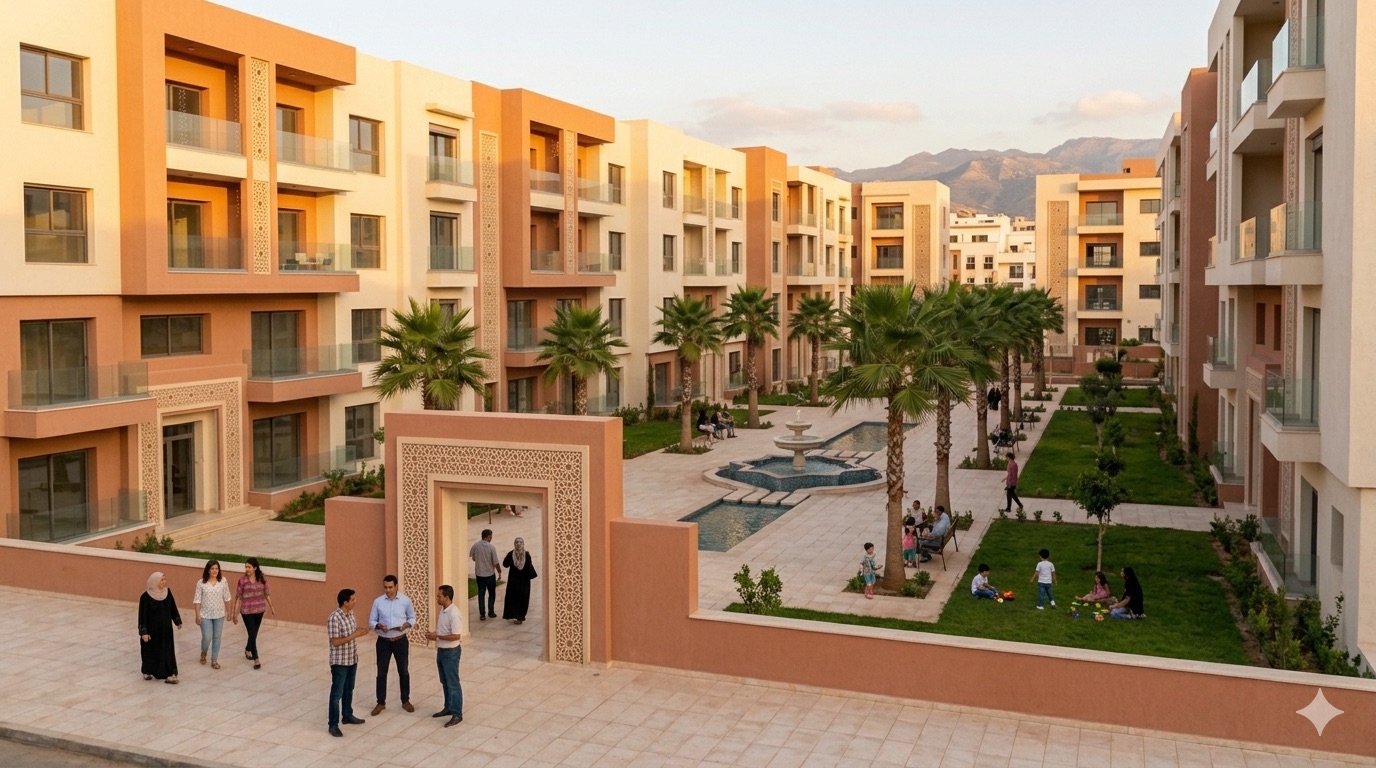
Managing a co-ownership in Morocco means running a building that belongs to multiple people. Each owner has their own apartment (private area) and a share of the common spaces: staircases, entrance hall, roof, elevator, garden. These shared spaces are the common areas.
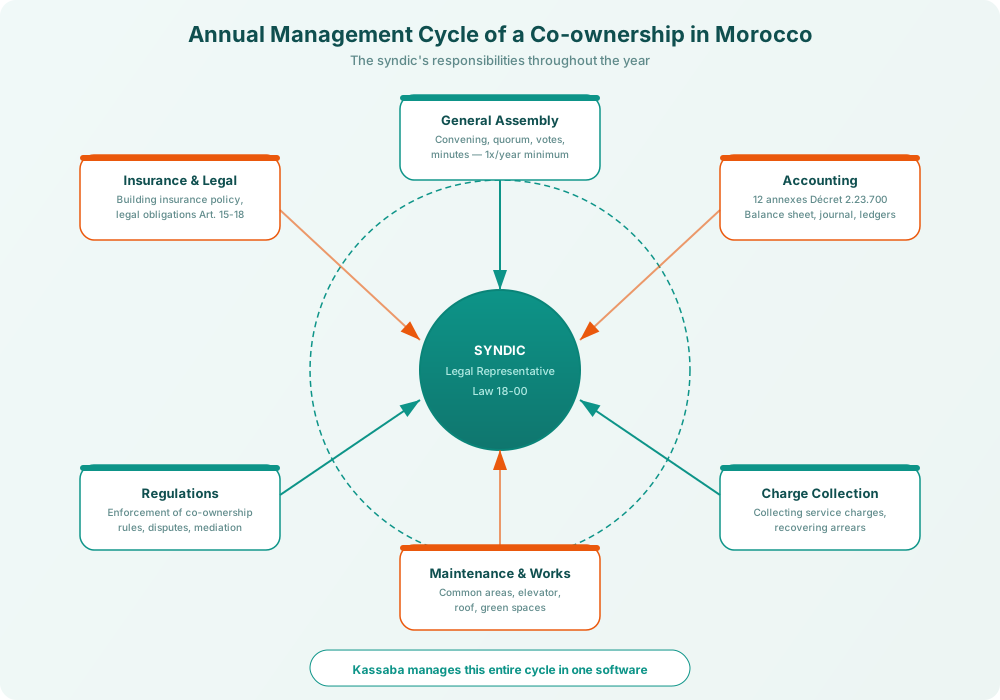
In practice, co-ownership management covers four areas:
- Administration: appoint a syndic (property manager), hold general assemblies, enforce the co-ownership bylaws
- Finances: collect charges, pay common expenses, keep the books
- Maintenance: keep common areas in good condition, manage the building caretaker, oversee service contracts
- Compliance: follow Law 18-00 and Decree 2.23.700, produce the required accounting annexes
It all comes down to the syndic. That's the person (or company) elected by co-owners to handle all of this on a daily basis.
Want to go deeper? Read our detailed article on co-ownership management in Morocco
The legal framework: Law 18-00 and Decree 2.23.700
Law 18-00
Law 18-00 (amended by Law 106-12 in 2016) is the foundational text. It defines the rights and obligations of every co-owner, of the syndic, and of the general assembly. It sets the voting rules, majority thresholds, quorum requirements, and the syndic's responsibilities.
Key points to remember: the syndic is elected for 2 years (Article 19), quorum is calculated by number of people, not by ownership shares (Article 18), and unpaid charges have a 5-year statute of limitations (Article 43).
Decree 2.23.700
Published in Official Bulletin no. 7391 in March 2025, Decree 2.23.700 is the implementing regulation for Law 18-00's accounting requirements. It introduces 12 mandatory accounting annexes that standardize how accounts are presented.
The number of annexes you need to produce depends on the total amount of charges called:
Small co-ownership
Charges called: ≤ 200,000 MAD
Required annexes: 10, 13-1, 13-2
Medium co-ownership
Charges called: > 200,000 and < 500,000 MAD
Required annexes: 10, 11, 12
Large co-ownership
Charges called: ≥ 500,000 MAD
Required annexes: 3, 4, 5, 6, 7, 8, 9, 10
If you don't produce these annexes, you're not in compliance. For a volunteer syndic who has never done accounting before, it can feel overwhelming. That's exactly why the right software makes all the difference.
The role of the syndic (property manager)
The syndic is the legal representative of the co-ownership. They're elected by the general assembly with a 3/4 majority of all co-owners (Article 19) for a 2-year term, renewable.
Their obligations (Article 26 of Law 18-00):
- Open and manage a bank account in the name of the co-ownership
- Collect charges and pay common expenses
- Convene and hold the annual general assembly
- Keep the accounts and present the financial statements
- Maintain the common areas
- Carry out decisions voted at the assembly
- Preserve the co-ownership's records and archives
Volunteer or professional syndic?
In Morocco, the vast majority of syndics are volunteers: co-owners elected to manage their building without compensation. Professional syndics are companies or individuals paid to manage one or more co-ownerships.
Both have exactly the same legal obligations. The difference is in availability and expertise, not in the law.
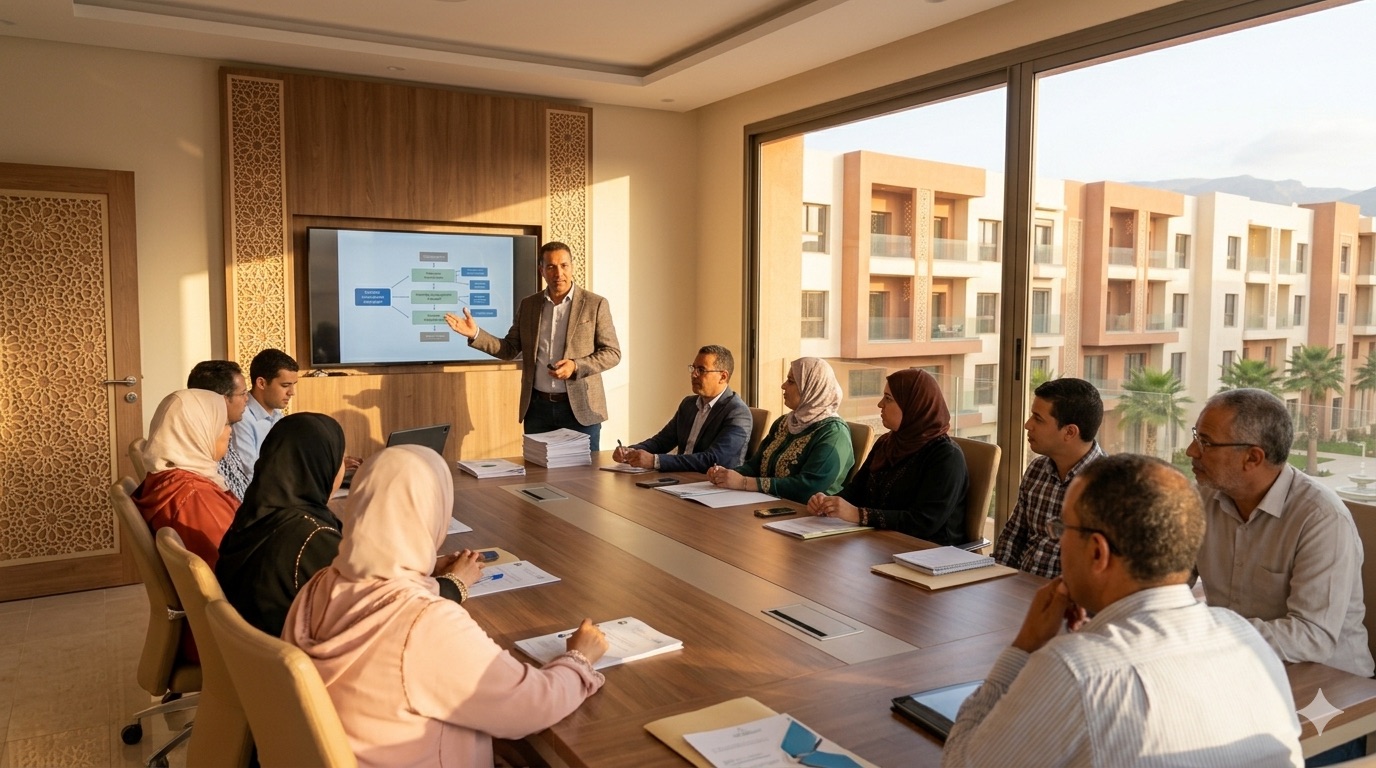
The co-ownership general assembly
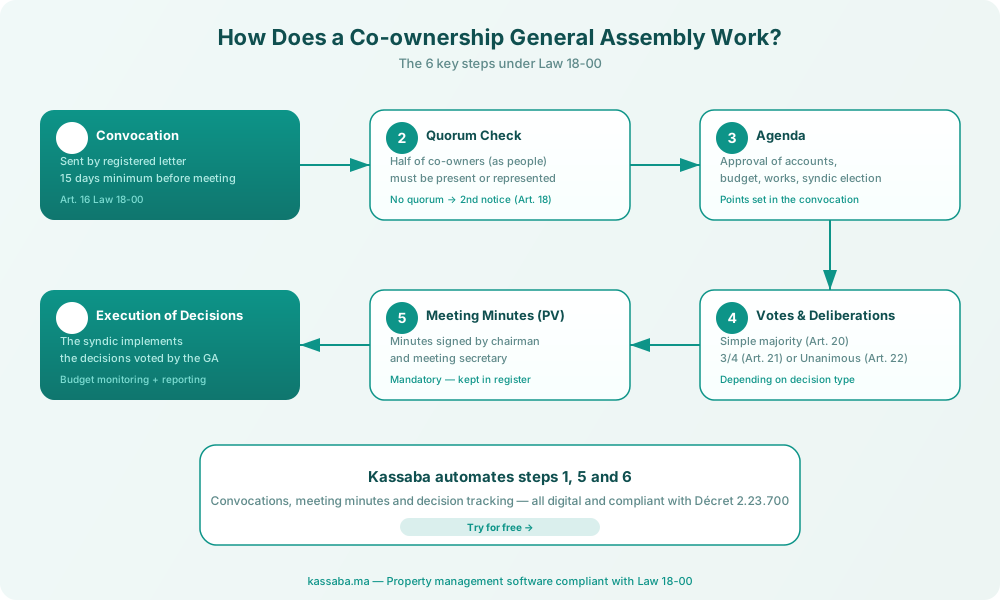
The general assembly (AG) is the decision-making body of the co-ownership. It must be held at least once a year, within 30 days of the end of the fiscal year (Article 16ter).
Notice and convocation
The syndic sends out notices at least 15 days before the assembly date (Article 16quinquies), by registered mail or legal notification. The notice must include the agenda, the financial statements for the period, and the budget forecast.
Quorum and proxies
Quorum requires half of the co-owners as people, not ownership shares (Article 18). A proxy holder cannot represent more than 3 co-owners, and the combined ownership shares of all proxies must not exceed 10% of the total (Article 16decies).
The three majority levels
Routine management, maintenance
Required majority: Simple majority of ownership shares present
Law 18-00 Article: Article 20
Budget, major works, bylaw changes
Required majority: 3/4 of all co-owners
Law 18-00 Article: Article 21
Selling common areas, adding floors
Required majority: Unanimity
Law 18-00 Article: Article 22
Co-ownership charges and calls for funds
Charges cover all common building expenses: security, cleaning, common area electricity, elevator maintenance, insurance, water. Each co-owner pays proportionally to their ownership shares (tantiemes).
The annual budget
The budget forecast is voted at the general assembly by a 3/4 majority (Article 21). Once approved, the syndic divides the total by the number of months or quarters to calculate the calls for funds.
Example: annual budget of 60,000 MAD, co-owner with 150 tantiemes out of 1,000. Annual contribution: 9,000 MAD, or 750 MAD per month.
Late payments
Late payments are the number one problem for syndics in Morocco. Follow up from the first month of delay. Send a registered letter after two months. If nothing changes, the co-ownership can go to court. Remember: unpaid charges have a 5-year statute of limitations (Article 43). After that deadline, you can no longer collect them.
Regulatory accounting for syndics

Decree 2.23.700 requires the production of standardized accounting annexes. For many volunteer syndics, this is the most dreaded part. A notebook and a calculator won't cut it anymore.
Each annex has a precise format defined by the decree. Annex 10 (co-owner contribution tracking) is required regardless of the co-ownership's size. Large co-ownerships must produce 8 annexes in total, including the balance sheet (Annex 3), the management account (Annex 4), and the works tracker (Annex 6).
Producing these annexes by hand is possible. But it's slow, error-prone, and takes time that most volunteer syndics don't have. The right software generates these annexes automatically from data entered throughout the year.
Managing a co-ownership in Morocco?
Kassaba helps you with charges, payments, and Decree 2.23.700 accounting.
How Kassaba simplifies property management
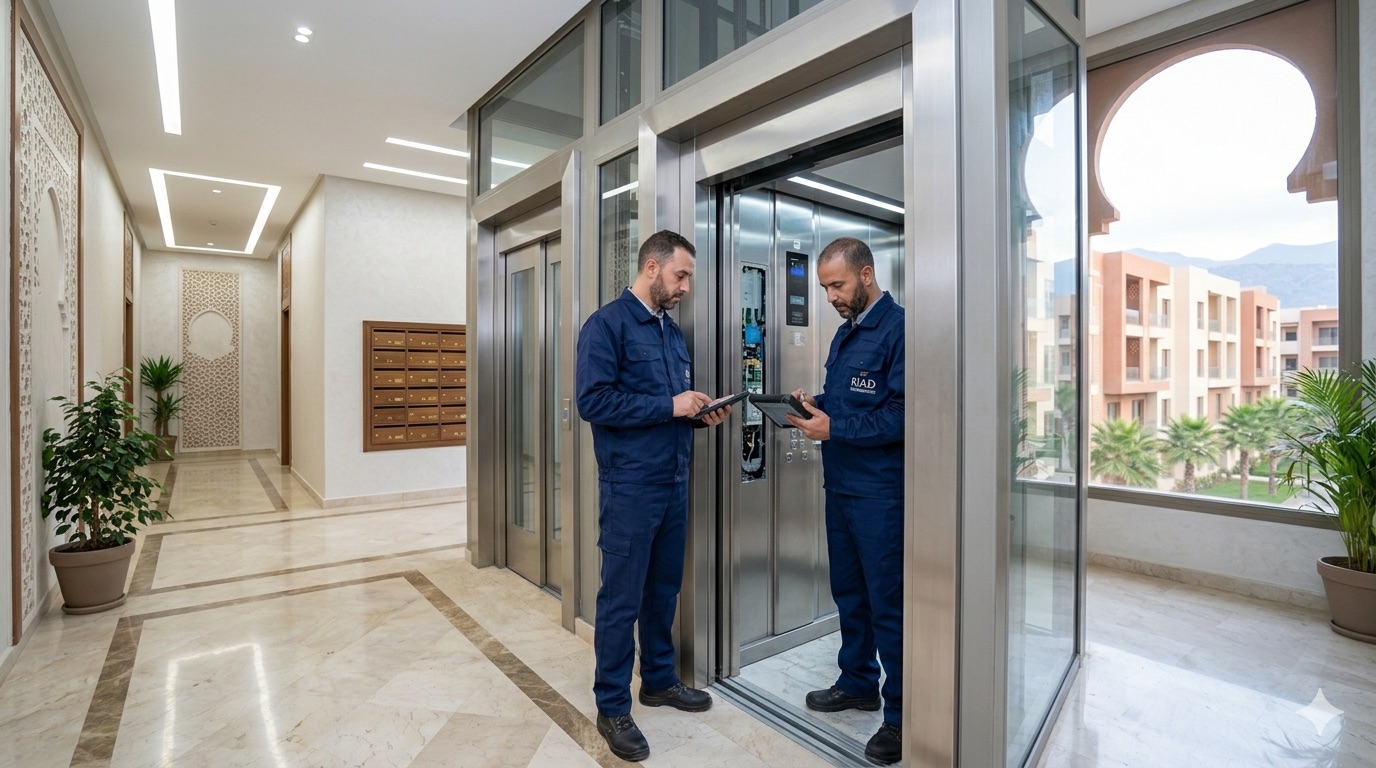
Kassaba is software built for syndics in Morocco. Not a generic tool adapted after the fact, but an application designed from the ground up for local realities: cash payments, remote tracking for MRE (Moroccans living abroad), and full compliance with Decree 2.23.700.
Automatic accounting annexes
Kassaba generates the Decree 2.23.700 annexes from your data. You enter, the software produces the compliant documents.
Charge and payment tracking
Create calls for funds, record payments, spot late payers. All in one click, with automatic reminders.
Mobile accessible
iOS and Android app. Co-owners check their balance, MRE manage from abroad.
Real-time dashboard
See your co-ownership's financial status at a glance. Cash balance, outstanding payments, monthly expenses.
Learn more: Discover the Kassaba app for syndics
Frequently asked questions about property management in Morocco
How do you manage a co-ownership in Morocco?
To manage a co-ownership in Morocco, you first need to elect a syndic (property manager) during a general assembly (AG). The syndic, whether volunteer or professional, is responsible for collecting charges, keeping accounts compliant with Decree 2.23.700, organizing the annual general assembly, and maintaining common areas. All these obligations are governed by Law 18-00.
How do you set up a syndic in Morocco?
Setting up a syndic starts with holding a constitutive general assembly. Co-owners meet, adopt the co-ownership bylaws, then elect a syndic by a 3/4 majority of all co-owners (Article 19 of Law 18-00). The elected syndic must then open a bank account in the name of the co-ownership (Article 26) and set up the administrative and financial management.
How much does co-ownership management cost in Morocco?
The cost depends on the building size and the type of syndic. A volunteer syndic (an elected co-owner) receives no compensation. A professional syndic typically charges between 30 and 100 MAD per unit per month, depending on the services provided. Recurring charges (security, maintenance, common area electricity) are split among co-owners according to their ownership shares (tantiemes).
What are the obligations of a syndic in Morocco?
Under Law 18-00, the syndic must: open a bank account in the name of the co-ownership (Art. 26), collect charges and pay common expenses, convene and hold the annual general assembly within 30 days of the fiscal year end (Art. 16ter), present the management accounts and budget forecast (Art. 24), produce the accounting annexes required by Decree 2.23.700, and maintain common areas.
What is the new co-ownership law in Morocco?
Co-ownership in Morocco is governed by Law 18-00 (amended by Law 106-12 in 2016). The implementing Decree 2.23.700, published in Official Bulletin no. 7391 in March 2025, introduces 13 mandatory accounting annexes. These annexes standardize how accounts are presented and vary by co-ownership size: annexes 10, 13-1 and 13-2 for small co-ownerships (charges called of 200,000 MAD or less), annexes 10, 11 and 12 for medium, and annexes 3 to 10 for large.
How does a co-ownership general assembly work in Morocco?
The general assembly is convened by the syndic at least 15 days in advance by registered mail (Art. 16quinquies). Quorum requires half of the co-owners as people, not ownership shares (Art. 18). Decisions are made at three majority levels: simple majority of ownership shares present for routine management (Art. 20), 3/4 of all co-owners for the budget and major works (Art. 21), and unanimity for structural changes (Art. 22).
How do you calculate co-ownership charges in Morocco?
Charges are split according to each unit's ownership shares (tantiemes), as defined in the co-ownership bylaws. The annual budget is voted at the general assembly by a 3/4 majority (Article 21). For a budget of 60,000 MAD with a co-owner holding 150 tantiemes out of 1,000, their annual share would be 9,000 MAD (15% of the budget). Charges are divided into recurring charges (maintenance, security) and exceptional charges (works voted at the assembly).
What's the difference between a volunteer syndic and a professional syndic?
A volunteer syndic is an elected co-owner who manages the building without compensation. A professional syndic is paid for this service. Both have exactly the same legal obligations under Law 18-00: keeping the accounts, convening the general assembly, collecting charges, and opening a dedicated bank account.
Can a syndic be removed from office?
Yes. One or more co-owners can add the syndic's removal to the general assembly agenda. The new syndic must be elected by a 3/4 majority of all co-owners (Article 21). The outgoing syndic has 15 days to hand over documents and funds to their successor (Article 28).
What can you do if a co-owner doesn't pay their charges?
Follow up from the first month of late payment. Start with a friendly reminder, then move to registered mail if the delay exceeds two months. If reminders don't work, the co-ownership can take legal action. Keep in mind: unpaid charges have a 5-year statute of limitations (Article 43). After that, you can no longer claim them.
Can MRE (Moroccans living abroad) participate in the general assembly?
Yes, through a proxy. A representative cannot act for more than 3 co-owners, and the combined ownership shares of all proxies must not exceed 10% of the total (Article 16decies). Send notices and documents early enough for MRE co-owners to review the topics.
Are co-ownership bylaws mandatory?
Yes. The co-ownership bylaws define the common areas, private areas, ownership shares (tantiemes), and the building's house rules. If your co-ownership doesn't have bylaws, it's a priority: get them drafted and vote on them at the general assembly.
How long is a syndic's term?
The syndic's term is exactly 2 years (Article 19 of Law 18-00), whether volunteer or professional. It's renewable by a vote at the general assembly with a 3/4 majority.
Is a dedicated bank account mandatory?
Yes, it's a legal requirement (Article 26 of Law 18-00). The account must be in the name of the co-ownership, not in the syndic's personal name. Co-ownership funds must never be mixed with the syndic's personal funds.
Is Kassaba free?
Yes, Kassaba is free for early users. No credit card required. When pricing is introduced, current users will get preferential terms.
Simplify your property management
Kassaba is used by volunteer and professional syndics across Morocco. Create an account, import your co-owners, and start managing in minutes.
Questions? [email protected]
This guide is provided for informational purposes by the Kassaba team. It does not constitute legal advice. For any legal questions about co-ownership, consult a qualified legal professional.